Tired of Sweaty, Uncomfortable Undies? Try These 12 Organic Cotton Picks
Most of us don't give our underwear much thought until something goes wrong. Maybe it's a pair that rides up, an elastic waistband that digs in, or that awful feeling of synthetic fabric trapping heat where it absolutely should not be. You'd think basic undergarments would be simple. But the more you look, the messier it gets.
Why Your Average Cotton Undies Aren't Doing You Any Favors
Most people assume cotton is cotton. Soft, natural, fine. But conventional cotton farming is actually one of the most chemically intensive agricultural practices on the planet. We're talking massive amounts of synthetic pesticides and fertilizers. About 16% of the world's insecticides go to cotton, even though it only takes up 2.5% of agricultural land. That's a pretty wild imbalance when you stop to think about it.
The damage goes beyond environmental. Thousands of cotton farmers and their families suffer from pesticide poisoning each year. Some face chronic health issues like cancer or reproductive problems.
And then there's the water. It takes roughly 10,000 liters to grow just one kilogram of cotton. In places like the Aral Sea, decades of cotton irrigation have literally shrunk one of the world's largest lakes down to a fraction of its former size.
So yeah. When we talk about organic cotton, we're not just being trendy.
What Actually Makes Organic Cotton Different
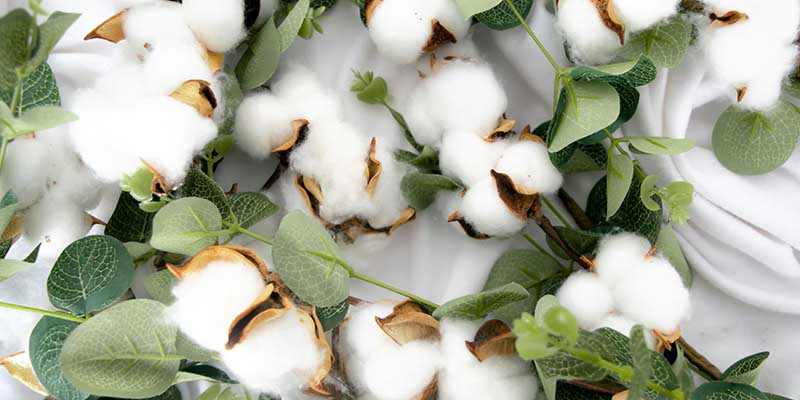
Organic cotton is grown without synthetic pesticides, chemical fertilizers, or GMO seeds. Farmers rely on crop rotation, hand-weeding, and natural pest control instead. That means cleaner soil, less water pollution, and safer conditions for workers.
The gold standard to look for is GOTS certification, which stands for Global Organic Textile Standard. It covers everything from how the cotton is farmed to how it's dyed and sewn. GOTS requires at least 70% organic fibers in the final product, with strict rules around toxic chemicals and wastewater treatment. When you see that label, you know someone actually checked the supply chain.
One thing worth noting, though. Organic cotton still uses a fair amount of water, just less than conventional methods. It's not a perfect solution. But it's a significant step up.
Health Benefits Nobody Talks About Enough
You probably already know that organic cotton feels soft. But here's where it gets interesting for anyone with sensitive skin.
Synthetic materials like nylon and polyester trap moisture. And bacteria? Bacteria love that. People who deal with recurring UTIs, yeast infections, or just general irritation often find real relief after switching to organic cotton underwear. The breathability is night and day. Cotton allows air to circulate, keeps things drier, and reduces the chance of infections starting in the first place.
Plus, conventional cotton textiles can hang onto pesticide residues and chemical dye leftovers. That matters when something is pressed against your body for ten, twelve hours a day. Organic cotton skips all that.
How to Make Your Organic Cotton Undies Last
Nobody wants to spend money on nice underwear only to have it fall apart after three washes. Here's what actually works:
Use cold or lukewarm water. Hot water breaks down cotton fibers and causes shrinkage. A gentle, eco-friendly detergent is your friend. Skip the fabric softeners and bleach. If you're tossing things in the machine, put them in a mesh laundry bag first. It prevents tangling and keeps the elastic from getting stretched out.
And whatever you do, avoid the dryer. Air drying is gentler, saves electricity, and keeps the waistbands from turning into sad, stretched-out versions of themselves.
A Quick Word on Fabrics Before We Get to Brands
Organic cotton isn't your only sustainable option, and it's worth knowing how it stacks up. TENCEL Lyocell is another natural fiber made from wood pulp that's incredibly soft and moisture-wicking. Some brands blend organic cotton with TENCEL to get the best of both worlds. You get cotton's breathability plus better sweat management.
If you're really prioritizing sustainability across the board, hemp is another interesting choice. It uses even less water than cotton and grows quickly without pesticides. A few brands are starting to blend hemp with organic cotton for durability and a nice textured feel.
8 Brands Worth Checking Out
For Everyone (Men's and Women's)
- Pact
Pact is probably the most accessible option out there. Their organic cotton underwear is GOTS-certified, Fair Trade, and pretty affordable when you catch a sale. They use 62% less energy than non-organic versions and offer carbon-neutral shipping.
The Everyday Classic Bikini and boxer briefs are solid starting points. Just be aware that some customers have mentioned inconsistent sizing and durability on certain styles. Worth reading reviews for the specific cut you're eyeing.
- Subset
Formerly known as Knickey. Subset makes Fair Trade-certified organic cotton underwear with no toxic chemicals, and they offer something genuinely unique: a recycling program for old underwear. Any brand, any condition, they'll take it.
You send in your old pairs and get credit toward your next order. They have 11 different cuts for women alone, from low-rise thongs to high-rise briefs. Quality is noticeably good. Seams hold up better than a lot of competitors.
- Organic Basics
Based out of Copenhagen, Organic Basics uses organic and recycled materials across their product lines.
One cool thing: when you check out, you can donate 1% of your purchase to an environmental nonprofit of your choice. Their Core and Flex lines are organic cotton; the Luxe and Smooth lines are recycled wood or recycled nylon, so read the labels if you want pure cotton. Prices are reasonable for the quality.
- MATE the Label
Los Angeles based, B Corp certified, and Climate Neutral. MATE cuts, sews, and dyes everything locally. That means shorter supply chains and better oversight.
Their underwear is 92 to 95% GOTS-certified organic cotton with a bit of spandex for comfort. They publish annual sustainability reports detailing water use and emissions, which is more transparency than most brands bother with. Their high-rise briefs are worth a look.
For Men
- Asket
If you care about transparency, Asket is hard to beat. They break down the cost and environmental impact of every single item they sell. Their boxer briefs are made from certified organic cotton with a touch of stretch.
Not enough to feel synthetic, just enough to stay in place without bunching up. No awkward readjusting throughout the day.
- Nudie Jeans
Yes, the denim brand. Their underwear collection is surprisingly great. Made from soft organic jersey, Fairtrade certified, and shipped in recycled cotton cardboard boxes.
Nudie is upfront about water usage and carbon emissions across their production, so you're not just trusting marketing fluff. They also ensure living wages for workers, which is unfortunately still not standard practice.
- ThirdLove
Better known for bras, but ThirdLove's organic cotton underwear for men holds its own. Their boxer briefs use certified organic cotton in the gusset (the part that actually touches you) and focus on a fit that doesn't ride up. The material is lightweight and breathable with enough stretch for everyday movement.
For Women:
- KNOWN SUPPLY
KNOWN SUPPLY runs a line called Discreture that focuses entirely on ethical women's underwear. Everything is GOTS-certified organic cotton made in Fair Trade factories. Sizing goes up to 3XL, which is still frustratingly rare in this space.
What I like most is their "radical transparency" approach. They literally tell you who made your clothes and give you a way to connect with the makers. Boyshorts, briefs, thongs, bralettes. Good range, thoughtful design.
- Tentree
Tentree is best known for planting ten trees for every item sold, but their underwear is worth checking out beyond the do-gooder angle. They blend TENCEL Lyocell with organic cotton and a bit of elastane for underwear that wicks moisture better than pure cotton. The Everyday Thong and hipster cuts are popular. GOTS-certified materials, low-impact manufacturing, and they're rated "Great" by Good On You for sustainability.
What to Look for When You're Shopping
Stick to GOTS-certified if you can. Fair Trade certification is another good sign. It means workers got fair wages and safe conditions.
Check the material blend. Most organic cotton underwear includes a small percentage of elastane or spandex (usually 5 to 10%) for stretch. That's normal and actually helps with fit. But if you see polyester or nylon creeping into the blend, you're losing some of the breathability benefits.
Also, pay attention to what brands say about their dyes and packaging. Non-toxic, Oeko-Tex certified dyes are a plus. Recyclable or compostable packaging is better than plastic.
Organic cotton underwear costs more upfront than a six-pack from a big box store. There's no way around that. But cheaper synthetics trap moisture, rely on questionable labor practices, and end up in a landfill faster. A few well-made organic cotton pairs that actually fit and last? That feels like a better deal in the long run.
Related Posts

Mastering Men Casual Outfits Your Ultimate Guide to Stylish Everyday Looks

Best Cottagecore Fashion Brands To Shop For a Dreamy Wardrobe
Best Eco-Friendly Beach Bags for Summer(That Are Actually Worth Buying)
How Recycled Polyester Reduces Waste And What To Check
Circular Economy Fashion: The Future Of Sustainable Clothing